Radiofrequency treatment for varicose veins
What are Varicose veins?
First thing’s first: what’s the difference between arteries and veins? The heart pumps blood to the rest of the body via the arteries, and then the veins carry the blood back to the heart again. Arteries have thick walls with muscles inside them to help move blood along, whereas thin-walled veins rely on tiny one-way valves to prevent the blood from flowing in the wrong direction (which often means working against gravity). If those valves are weakened or damaged, blood may start collecting in the vein instead of returning to the heart. Over time, this extra blood can cause the walls of the vein to stretch and bulge.
Varicose veins are a very common condition, affecting as much as 40% of the population. Superficial veins (near the surface of the skin) have less muscle support than deep veins, so they are more likely to become varicose. Although varicose veins can develop anywhere in the body, they occur most frequently in the legs and feet, since standing and walking increase the pressure in lower-body veins.
Spider veins are similar to varicose veins, except much smaller. These tangles of tiny blood vessels just under the surface of the skin are usually visible on the legs and face; they’re called “spider veins” because they look a bit like spider webs.
Potential risk factors for varicose veins include:
- Age: Veins lose their elasticity as you get older, and the valves inside them often weaken as well.
- Gender: Varicose veins are more common in women, because female hormones tend to relax vein walls, making valves more likely to leak. Hormone treatments, such as birth control pills, may also increase the risk of varicose veins.
- Genetics: Varicose veins tend to run in families.
- A sedentary lifestyle: Sitting for extended periods makes it more difficult for blood to circulate through the legs.
- Any condition that puts increased pressure on your legs or abdomen, such as pregnancy, obesity, chronic constipation or having a job that requires a great deal of standing.
- Damage to the valves or the veins themselves, e.g., due to a leg injury.
How do I know if I have varicose veins?
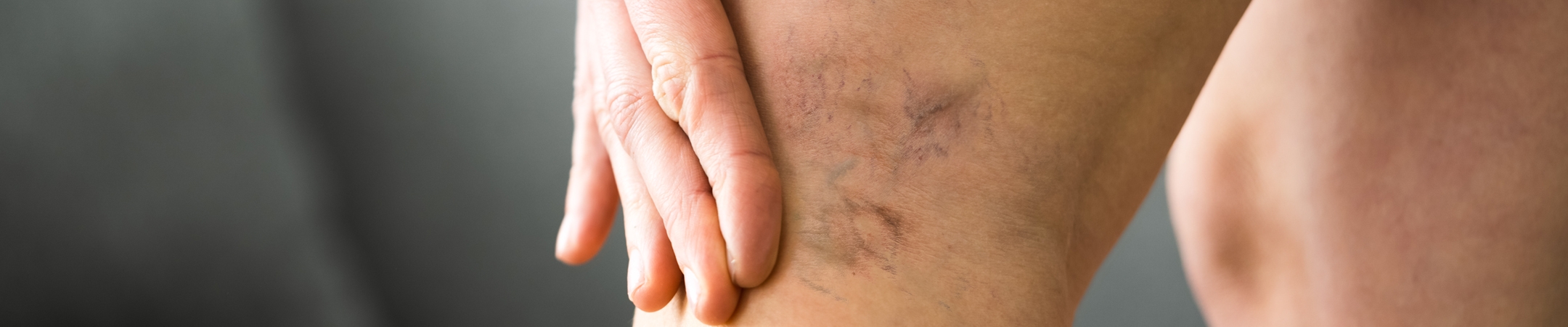
Varicose veins typically look like dark-blue or purple cords just beneath the skin; they may appear twisted or bulge in places. For some people, they are merely a cosmetic issue. Others may experience symptoms such as:
- Fatigue (heavy-feeling legs)
- Leg pain (burning, throbbing, muscle cramps)
- Swelling of the lower legs
- Itching or discoloration around the varicose vein
In some cases, untreated varicose veins can lead to more serious issues, such as ulcers (sores) on the legs or cellulitis.
How can I prevent varicose veins?
- Exercise regularly. Besides helping you maintain a healthy weight, which reduces the stress on the legs, exercising can build stronger leg muscles that can help your veins push blood up to your heart. It also improves overall circulation.
- Avoid sitting or standing for extended periods. While this may be easier said than done in some circumstances, getting up for a short walk every half-hour or so forces your body to move blood toward your heart more than when you’re seated. If your job requires a lot of standing, try to take regular sitting breaks.
- While seated, put your feet up when you can—it helps blood flow back to your heart.
- Don’t wear high heels and shapewear for longer than necessary. High heels can make your calf muscles less effective in moving blood back toward your heart, while shapewear can restrict blood flow and put too much pressure on your blood vessels.
- Support hose, on the other hand, create the “good” kind of pressure: they compress your calves slightly to help blood flow upward. If you are prone to varicose veins or spend long periods of time standing, you may wish to invest in compression stockings, which prevents blood from pooling in the legs.

Treating varicose veins with Veineo®
Varicose veins themselves can’t technically be “cured”—once a valve inside a vein is damaged, it will stay that way. The lifestyle changes listed above may be enough to reduce some people’s symptoms and prevent new varicose veins from forming. Otherwise, treatment involves closing or removing the varicose vein, which causes the body to redirect the blood to healthy veins.
Veineo® is a state-of-the-art, minimally invasive method of treating varicose veins using radiofrequency (RF) energy. The physician inserts a catheter (a thin tube) into the vein and then applies RF energy at the very tip. This creates heat and contracts the collagen (protein) inside the vein walls, which causes them to collapse, sealing the blood vessel shut without damaging the surrounding tissue. The procedure can be performed on an outpatient basis; it causes minimal discomfort and allows patients to return to their normal activities quickly.

Before and after treatment

Advantages of Veineo® therapy
- Fast, minimally invasive outpatient procedures
- Rapid relief from symptoms
- No risk of skin discolouration
- No post-treatment wound care
- Return to regular activities quickly